

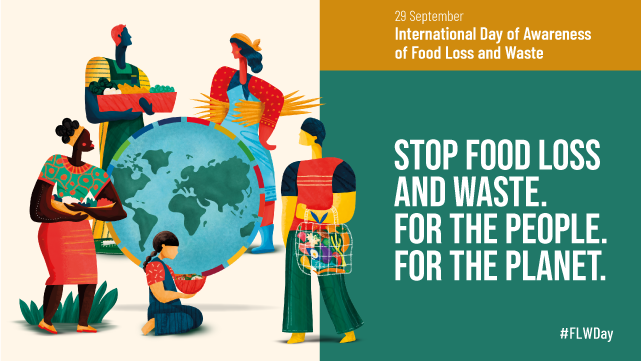
On 29 September, the UN marks the International Day of Awareness of Food Loss and Waste. The theme for 2026 is “The Transformative Potential of Reducing Food Loss and Waste.”
The theme highlights an important point: reducing food waste is not only about generating less waste. At its best, it can change how food is planned, prepared, served and monitored. In professional kitchens, the effects are very practical.
What is the International Day of Awareness of Food Loss and Waste?
The UN’s International Day of Awareness of Food Loss and Waste is observed annually on 29 September. It aims to raise awareness of the impacts of food loss and waste and encourage action to reduce them across the food supply chain.
The 2026 theme, “The Transformative Potential of Reducing Food Loss and Waste,” highlights the wider economic, environmental and societal benefits of reducing food loss and waste. Read more on the FAO website →
Less food waste means more efficient use of resources
Food that ends up as waste has already consumed resources long before it reaches the waste bin. Ingredients have been purchased, transported, stored and often prepared. Staff time, energy and other operational resources have also been used.
When food waste is reduced, a larger share of these resources is used for their intended purpose: producing food that is actually served and eaten.
The financial benefit therefore comes from more than lower waste volumes. It is also about making better use of purchased ingredients and the work involved in preparing them.
Food waste data can also improve production planning
The total amount of food waste tells you how much food is left unused. For improving operations, however, it is even more useful to understand where and why waste occurs.
Production waste, serving waste and plate waste can each reveal different things about kitchen operations.
If, for example, the same dish repeatedly generates a high level of serving waste, production volumes or demand forecasting may need to be reviewed. If waste mainly comes back on customers’ plates, the causes and possible actions are likely to be different.
Monitoring food waste can therefore reveal patterns that may not be visible from purchasing or sales figures alone.
From individual measurements to continuous improvement
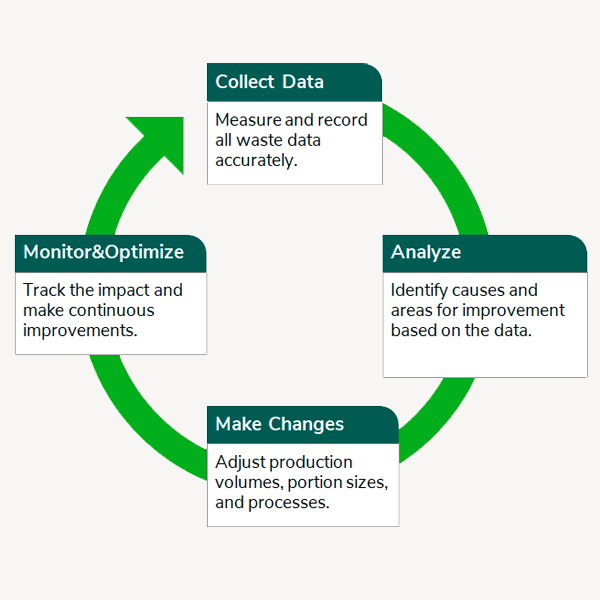
A single measurement shows what happened at one point in time. When food waste is monitored systematically, it becomes possible to identify longer-term trends and recurring patterns.
How does waste vary between different days of the week? Which dishes or products repeatedly generate the most waste? How does waste compare with production volumes or the number of guests? And do operational changes actually lead to lower waste levels over time?
At this point, food waste data becomes more than reporting data. It becomes a tool for operational improvement.
A simple approach is:
Measure → identify an area for improvement → take action → monitor the impact.
Read more: How to reduce food waste in professional kitchens →
Impact in kilograms, euros and CO₂e
Reducing food waste has both financial and environmental benefits.
With SmartKitchen, food waste can be monitored in kilograms, euros and CO₂e. Waste can be categorised by where it occurs, and the data can also be compared with production volumes, portions served or guest numbers.
The aim is not to collect as much data as possible. The purpose of monitoring is to provide information that helps kitchens identify where changes are needed, take practical action and follow the results.
The real potential lies in everyday operations
Food waste remains a major global issue. According to UNEP estimates, around 19% of food available to consumers was wasted in 2022. Food service accounted for 28% of this food waste.
The International Day of Awareness of Food Loss and Waste brings attention to the issue once a year. In professional kitchens, however, real change is created through everyday decisions: what is prepared, how much is prepared, what is left over and what is learned from the data.
This is also at the heart of this year’s theme. Reducing food waste is not simply about lowering one metric. It can also help make kitchen operations more cost-efficient, better planned and more resource-efficient.